Pressure washing is one of the most effective ways to clean a home’s exterior, but it often comes with a concern: can it actually damage vinyl or cedar siding?
The short answer is yes, if done incorrectly. However, when performed using the right techniques, equipment, and pressure levels, pressure washing can safely restore both vinyl and cedar siding without causing harm.
Understanding how pressure washing interacts with different materials is key to protecting your home while still achieving a deep, long-lasting clean.
How Pressure Washing Works
Pressure washing uses a high-powered stream of water to remove dirt, mold, mildew, algae, and other contaminants from surfaces. The effectiveness comes from the combination of pressure, water flow, and sometimes cleaning solutions.
But not all surfaces respond the same way. What works well for concrete can be far too aggressive for siding materials like vinyl or cedar.
Is Vinyl Siding Safe to Pressure Wash?
Vinyl siding is one of the most durable and low-maintenance exterior materials, but it still requires careful handling.
When It’s Safe
Pressure washing vinyl siding is generally safe when:
- Low to moderate pressure is used
- The spray angle is controlled
- Water is directed downward, not upward
When done properly, pressure washing can effectively remove:
- Dirt and dust buildup
- Algae and mildew
- Stains from pollution or weather exposure
Potential Risks
Improper pressure washing can cause issues such as:
- Water being forced behind panels, leading to moisture damage
- Cracks or loosening of siding panels
- Streaking or uneven cleaning
Vinyl is designed to repel water, but it isn’t designed to withstand high-pressure blasts at close range.
What About Cedar Siding?
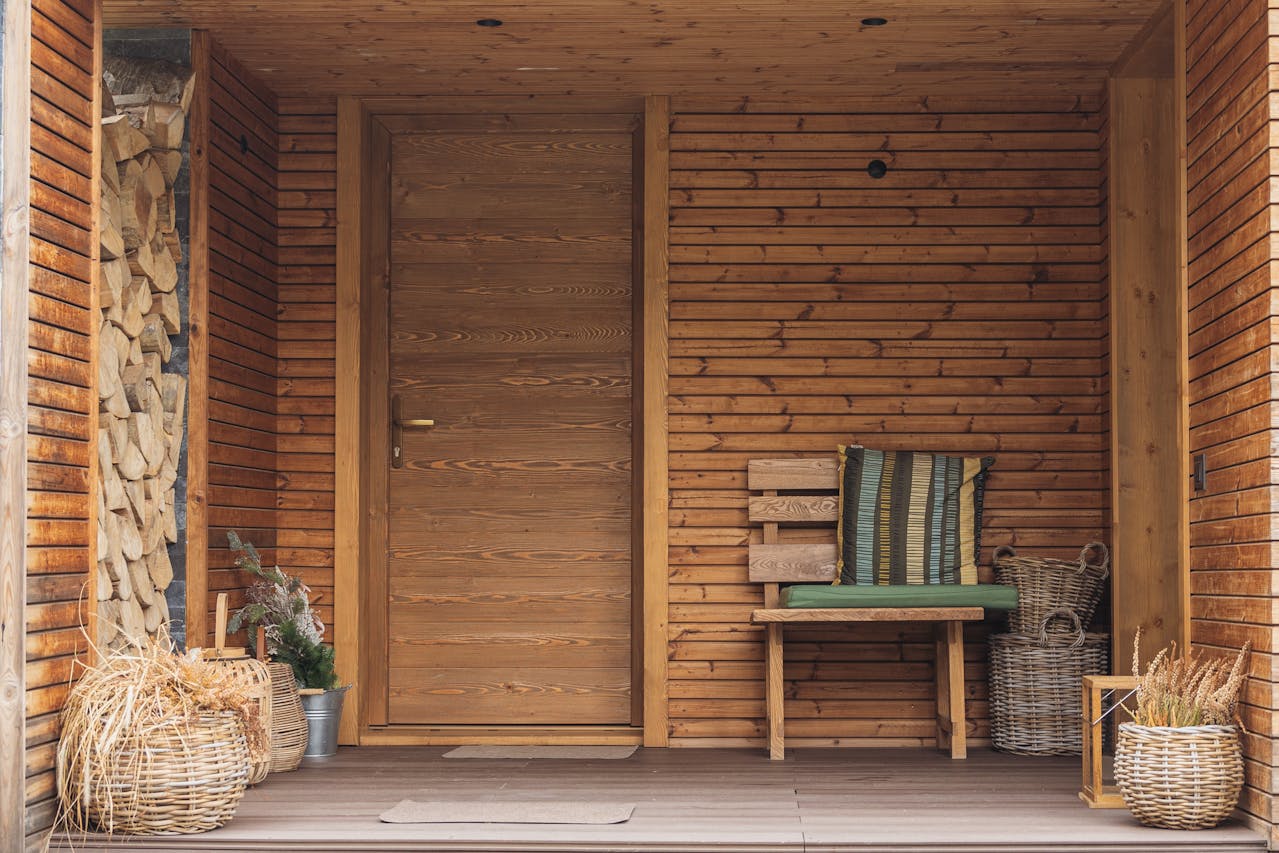
Cedar siding requires even more caution. Unlike vinyl, cedar is a natural wood that is more sensitive to pressure and moisture.
When It’s Safe
Cedar can be cleaned safely using:
- Very low pressure (often referred to as “soft washing”)
- Specialized cleaning solutions
- Gentle rinsing techniques
This approach removes:
- Mold and mildew
- Moss and algae
- Surface dirt without damaging the wood fibers
Potential Risks
Using too much pressure on cedar can lead to:
- Surface erosion or “furring” (raised wood fibers)
- Permanent scarring or streaking
- Water absorption that can cause warping or rot over time
The Importance of Proper Technique
The difference between safe and damaging pressure washing comes down to technique.
Key Factors That Matter
- Pressure level: Lower pressure is safer for siding
- Nozzle type: Wider spray angles reduce impact
- Distance: Keeping the nozzle at a safe distance prevents damage
- Angle: Spraying at a downward angle avoids water intrusion
- Cleaning solutions: Help break down grime without relying on high pressure
Professionals often rely on a method called soft washing, which uses low pressure combined with specialized solutions to clean delicate surfaces safely.
DIY vs. Professional Pressure Washing
Many homeowners consider renting or buying a pressure washer, but siding is one area where mistakes can be costly.
DIY Risks
- Using too much pressure
- Incorrect nozzle selection
- Uneven cleaning patterns
- Accidental water intrusion behind siding
These issues can lead to repairs that far exceed the cost of professional cleaning.
Professional Advantages
Experienced technicians understand:
- The correct pressure settings for each material
- How to treat different types of buildup
- When to use soft washing instead of high pressure
They also use commercial-grade equipment designed for precision and safety.
Signs Your Siding Needs Cleaning
Regardless of the material, there are clear indicators that it’s time to clean your siding:
- Green or black streaks (algae or mold)
- Visible dirt or discoloration
- Dull or faded appearance
- Accumulated debris in corners or seams
Addressing these issues early prevents deeper staining and long-term damage.
How Often Should You Clean Siding?
In climates like coastal British Columbia, siding should typically be cleaned:
- Once a year for maintenance
- Twice a year in areas with heavy moisture or tree coverage
Regular cleaning not only improves appearance but also extends the lifespan of your siding.
Pressure washing will not damage vinyl or cedar siding when done correctly. The key is understanding that these materials require different approaches.
- Vinyl can handle moderate pressure with proper technique
- Cedar requires a gentler, low-pressure soft washing method
The biggest risks come from using excessive pressure, poor angles, or lack of experience. With the right approach, pressure washing remains one of the most effective ways to maintain your home’s exterior safely.
GreenTech Property Care: Safe and Professional Exterior Cleaning
If you’re considering pressure washing in Nanaimo, we at GreenTech Property Care provide professional services designed to clean your home safely without causing damage. Our team is experienced in handling both vinyl and cedar siding using the correct methods for each surface.
We use advanced, eco-friendly equipment to minimize environmental impact while delivering powerful results. Our comprehensive cleaning techniques effectively remove dirt, grime, moss, and algae without compromising the integrity of your property.
With a professional and reliable team dedicated to customer satisfaction, we focus on delivering consistent, high-quality outcomes for every project. Whether it’s a residential property or a commercial space, we offer cost-effective solutions tailored to your needs.
At GreenTech Property Care, our goal is simple: restore the appearance of your property while ensuring its long-term durability through expert pressure washing in Nanaimo and surrounding areas.
Add Comment