
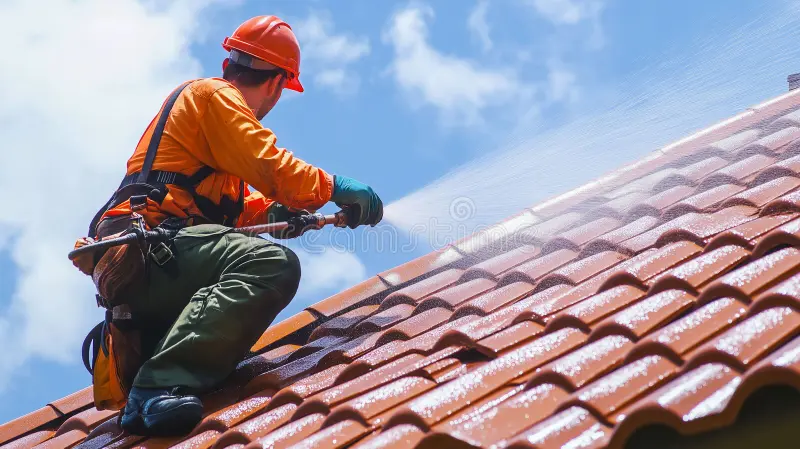
What’s the Difference Between Soft Washing and Pressure Washing?
When it comes to exterior cleaning, many homeowners assume that all methods are the same. However, two of the most commonly used techniques, soft washing and pressure washing, are quite different in how they work and where they should be used.
Choosing the right method is essential not only for achieving the best results but also for avoiding damage to your property. Understanding the differences between these two approaches will help you make informed decisions about maintaining your home.
What Is Pressure Washing?
Pressure washing uses high-pressure water spray to remove dirt, grime, mold, and other contaminants from surfaces. The strength of the water stream is what does most of the cleaning work.
Best Uses for Pressure Washing
Pressure washing is ideal for hard, durable surfaces such as:
- Concrete driveways and sidewalks
- Brick walls
- Stone patios
- Garage floors
These surfaces can withstand the force of high-pressure water without being damaged.
Advantages of Pressure Washing
- Quickly removes heavy buildup
- Highly effective for deep stains
- Restores heavily soiled surfaces
Limitations
Pressure washing can be too aggressive for more delicate materials. Without proper control, it can:
- Damage siding
- Strip paint
- Etch wood surfaces
- Force water into unwanted areas
What Is Soft Washing?
Soft washing is a low-pressure cleaning method that relies on specialized cleaning solutions to break down dirt, mold, algae, and bacteria. Instead of force, it uses chemistry and time to achieve results.
Best Uses for Soft Washing
Soft washing is ideal for sensitive or easily damaged surfaces, including:
- Vinyl siding
- Cedar siding
- Roof shingles
- Painted surfaces
- Stucco
Advantages of Soft Washing
- Safe for delicate materials
- Kills mold, mildew, and algae at the source
- Provides longer-lasting results
- Reduces risk of damage
Limitations
Soft washing may not be as effective on:
- Oil stains on concrete
- Deeply embedded dirt on hard surfaces
In these cases, pressure washing may still be required.
Key Differences Between Soft Washing and Pressure Washing
The main difference lies in how the cleaning is achieved.
- Pressure washing relies on force (high-pressure water)
- Soft washing relies on cleaning solutions and low pressure
Other important distinctions include:
- Surface compatibility: Pressure washing is for hard surfaces; soft washing is for delicate ones
- Risk level: Pressure washing carries a higher risk of damage if misused
- Longevity of results: Soft washing often lasts longer because it removes organic growth at its root
When Should You Use Each Method?
Choosing between soft washing and pressure washing depends on the surface and the type of buildup.
Use Pressure Washing When:
- Cleaning driveways, patios, or concrete
- Removing heavy dirt, grease, or stains
- Restoring hard, durable surfaces
Use Soft Washing When:
- Cleaning siding (vinyl or wood)
- Washing roofs
- Removing mold, algae, or mildew
- Preserving paint and finishes
In many cases, a complete exterior cleaning service will use both methods together—pressure washing for hard surfaces and soft washing for everything else.
Why Using the Wrong Method Can Be Costly
One of the biggest mistakes homeowners make is using pressure washing where soft washing should be applied.
This can lead to:
- Cracked or loosened siding
- Water damage behind walls
- Permanent marks or streaks on wood
- Reduced lifespan of exterior materials
On the other hand, using soft washing on heavily stained concrete may not deliver the desired results. This is why understanding the difference, or hiring professionals who do, is so important.
Environmental Considerations
Modern soft washing techniques often use eco-friendly cleaning solutions that break down contaminants without harming surrounding plants or surfaces.
Pressure washing, while effective, can sometimes:
- Waste more water
- Spread contaminants if not managed properly
Soft washing and pressure washing are not interchangeable. They are complementary techniques designed for different purposes.
- Pressure washing is powerful and effective for hard surfaces
- Soft washing is gentle and ideal for delicate areas
Using the right method ensures your property is cleaned thoroughly without unnecessary risk or damage. For most homes, a combination of both methods delivers the best overall results.
GreenTech Property Care: Expert Exterior Cleaning You Can Trust
For expert pressure washing in Nanaimo, turn to GreenTech Property Care. We offer professional cleaning services that restore your property’s appearance while protecting its value.
Our team knows that every surface is different. That’s why we customize our approach, using a combination of high-power pressure washing and gentle soft washing to deliver a safe, deep clean. We remove stubborn dirt, grime, moss, and algae from all types of materials without causing damage.
Using advanced, eco-friendly equipment, we provide effective cleaning solutions for both homes and businesses. If you want reliable and cost-effective exterior cleaning, our professional team is ready to help. Trust GreenTech Property Care to enhance and protect your property with the right techniques for the job.
Add Comment