
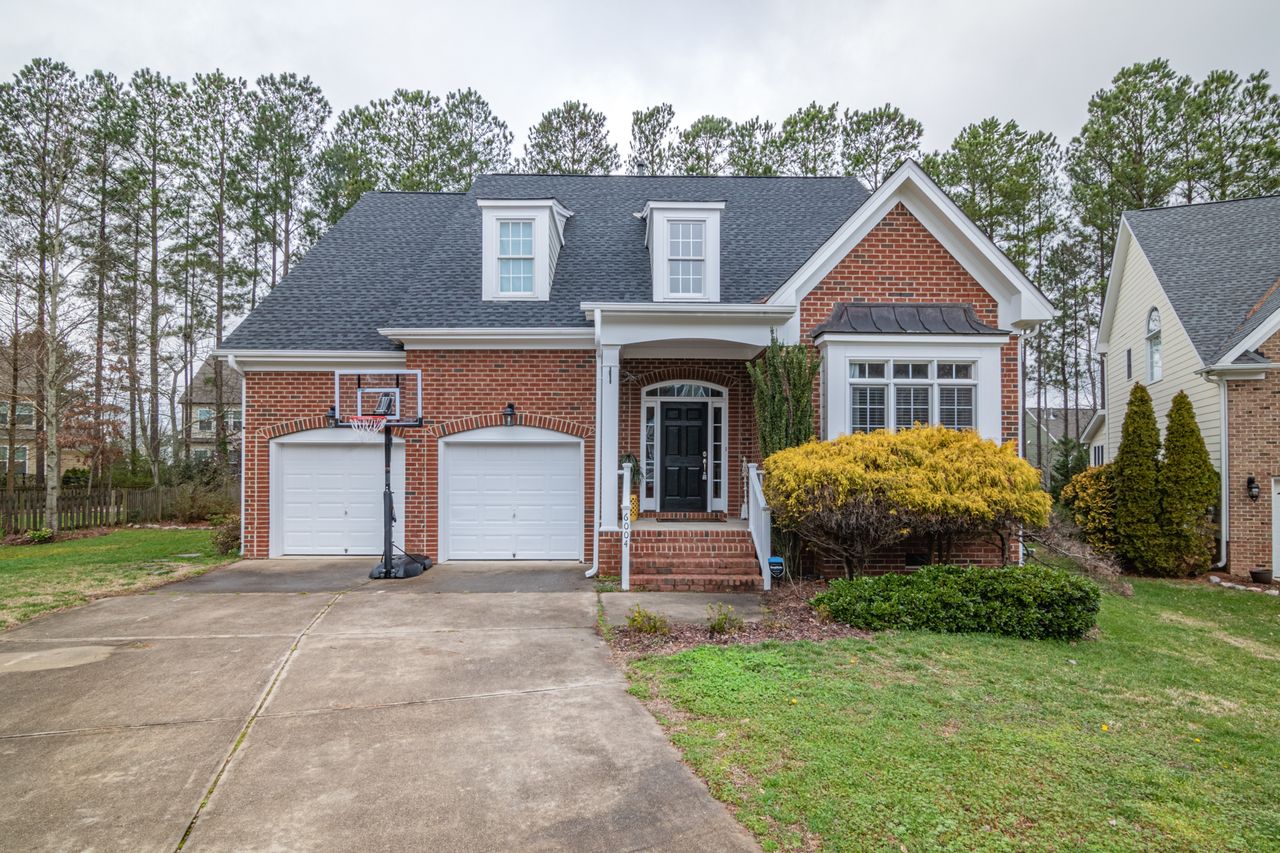
Ask most homeowners how to clean a driveway, and they’ll picture a pressure washer blasting away years of grime. Then they hear that professionals use soft washing on houses and roofs, and a reasonable question follows: if soft washing works so well on siding, can it clean concrete too? Or does a driveway really need high pressure?
The honest answer is that it depends on what’s making the driveway dirty. On Vancouver Island, a lot of what darkens concrete is organic growth, and soft washing chemistry is very good at dealing with that. But concrete also collects dirt, tire marks and oil that no amount of low-pressure spraying will lift. In most cases, the best results come from combining the two methods. Understanding why will help you know what to expect when you book pressure washing in Nanaimo.
What’s the Difference Between the Two Methods?
Pressure washing uses high-pressure water to physically remove dirt and buildup from a surface. On concrete, professionals typically use a rotary surface cleaner, a round, hooded tool with spinning nozzles that cleans evenly without leaving streaks.
Soft washing uses low pressure, similar to a garden hose, combined with cleaning solutions designed to kill moss, algae, mildew and bacteria. Instead of blasting growth off, the solution breaks it down at the root, and it’s rinsed away afterward.
Soft washing is the standard method for siding, roofs and painted surfaces because high pressure can damage them. Concrete is much tougher, which is why it’s the one surface where pressure washing is often the right tool.
What Soft Washing Can Do for Concrete
If your driveway has turned green, black or slippery, organic growth is usually the cause. Shaded driveways, north-facing walkways and areas under trees stay damp for long stretches in Nanaimo’s wet climate, making them ideal for algae, moss, mildew and lichen.
Soft washing solutions handle this well. Applied to concrete, they:
- Kill algae and mildew that cause green and dark staining
- Loosen moss growing in cracks and control joints
- Brighten surfaces that look dull or discolored from organic buildup
- Kill the spores that allow growth to return quickly
Because the treatment works at the root, a driveway treated this way often stays clean longer than one that’s only been blasted with water. Pressure alone can remove visible growth while leaving spores in the pores of the concrete, so the green film comes back sooner.
What Soft Washing Can’t Do on Its Own
Concrete is porous, and it collects much more than moss. Soft washing alone struggles with:
- Ground-in dirt and grime from years of foot and vehicle traffic
- Tire marks where cars regularly park or turn
- Oil, grease and fluid leaks from vehicles, which soak into the surface
- Mud and clay stains from landscaping or construction
- Gum and debris stuck to the surface
These aren’t living growth, so a cleaning solution designed to kill organic matter won’t remove them. They need mechanical cleaning from pressure, specific degreasers or specialty treatments. That’s why a driveway can look better after soft washing but still show dark patches where the car usually sits.
Why the Best Results Come From Combining Both
Most professionals don’t choose one method or the other for concrete. They use both, in stages:
- Pre-treatment: A cleaning solution is applied to kill and loosen organic growth. Oil stains may get a degreaser at this stage.
- Surface cleaning: A rotary surface cleaner removes dirt, loosened growth and grime evenly across the whole surface.
- Detail work: Edges, steps and corners the surface cleaner can’t reach are cleaned with a wand.
- Post-treatment: A final application of solution kills any remaining spores, helping the driveway stay cleaner for longer.
- Rinse: The surface is rinsed thoroughly, and runoff is managed.
This approach gives you the deep cleaning that pressure provides and the longer-lasting results that come from treating organic growth properly. It’s also why the best pressure washing in Nanaimo usually involves more than just a pressure washer.
Can Pressure Washing Damage Concrete?
Concrete is durable, but it isn’t indestructible. Too much pressure, the wrong nozzle, or holding a wand too close can cause problems:
- Etching and scarring, where the surface layer is eroded and the concrete looks rough or pitted
- Zebra striping, the uneven lines left when a wand is swept across a surface instead of using a rotary cleaner
- Exposed aggregate, where the top layer is stripped away to reveal the stones underneath
- Damage to sealers on stamped or sealed concrete, leaving it patchy
- Washed-out joint sand between pavers, which weakens the surface and invites weeds
Older concrete, softer finishes and decorative surfaces are especially vulnerable. This is where experience matters. Professionals adjust pressure to the surface, use surface cleaners for even results, and rely on cleaning solutions to do some of the work so less pressure is needed.
Special Cases Worth Knowing About
- Pavers and interlocking stone: Pavers can be cleaned with moderate pressure, but the joints may need to be re-sanded afterward, often with polymeric sand, to lock them back in place and discourage weeds.
- Stamped and sealed concrete: These surfaces need a gentler approach to protect the sealer and finish. Soft washing plays a larger role here, and resealing may be recommended afterward.
- Exposed aggregate: Moderate pressure and a surface cleaner work well, but excessive pressure can loosen stones.
- Lichen: Those small, stubborn black or gray spots are lichen. They respond to treatment, but they often fade gradually over the following weeks rather than disappearing on the day.
- Efflorescence: White, powdery deposits on concrete are mineral salts, not organic growth. They need a different cleaner designed for mineral deposits.
- Rust stains: Orange stains from fertilizer, irrigation water or metal furniture need specialty rust removers. Pressure and standard solutions usually won’t remove them.
- Runoff and Environmental Care: Water used to clean a driveway doesn’t just disappear. It flows toward storm drains, which in most communities lead directly to local streams and the ocean without treatment. That makes it important that cleaning solutions are used responsibly, in the right concentrations, and that runoff is managed. Ask any company you’re considering what products they use, whether they’re biodegradable, and how they protect plants, lawns and drains during the job.
How Often Should a Driveway Be Cleaned?
For most Nanaimo homes, cleaning concrete once a year keeps it looking good and safe to walk on. Shaded driveways, walkways under trees and north-facing patios may need attention more often, since growth returns faster in damp areas.
Clean concrete isn’t just about appearance. Algae and moss make surfaces slippery, especially in the rainy months, which can be a real hazard on steps and sloped driveways. Removing growth before it takes hold also helps prevent it from working its way into cracks and joints.
Sealing concrete after a thorough cleaning can help too. A good sealer slows the absorption of oil and water and makes future cleanings easier, although it will eventually need to be reapplied.
When choosing pressure washing in Nanaimo, look for a company that explains how they’ll handle your specific surface, which products they’ll use, and how they’ll protect your concrete and surroundings. The right method depends on the surface and the stains, not on one tool alone.
Add Comment