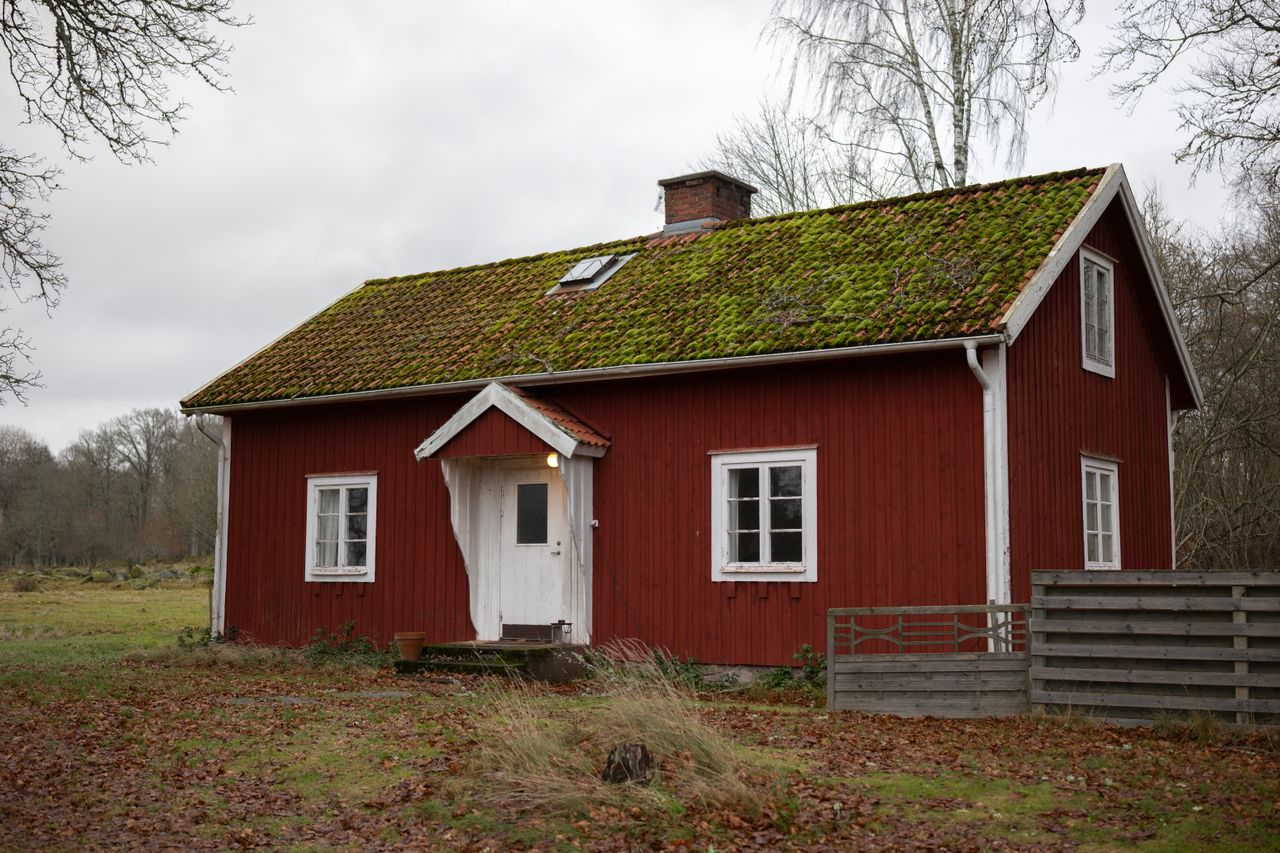
Moss growing on a roof can give a home a charming, cottage-like appearance, but homeowners should not mistake it for harmless greenery. While a small patch may seem insignificant, moss can create serious problems if left untreated for long periods.
In regions that experience frequent rainfall and damp conditions, moss growth is especially common. Over time, what starts as a thin layer can spread across shingles, trap moisture, and shorten the life of your roof. The good news is that understanding the risks and addressing moss early can help prevent costly repairs.
Why Does Moss Grow on Roofs?
Moss thrives in cool, moist, and shaded environments. Roofs that receive limited sunlight or are surrounded by overhanging trees provide ideal conditions for moss spores to settle and grow.
Several factors contribute to moss growth:
- Frequent rain and humidity
- Shade from nearby trees
- Accumulated leaves and debris
- Poor roof drainage
- Older roofing materials
Since moss absorbs and retains moisture, damp conditions allow it to spread quickly.
How Moss Damages Roofing Materials
Moss itself doesn’t “eat” shingles, but it creates conditions that can lead to damage. As it grows thicker, it retains water like a sponge. This constant moisture prevents the roof from drying properly and accelerates the aging process of roofing materials.
Over time, prolonged moisture exposure can weaken shingles and increase the likelihood of leaks.
Moss Can Lift Shingles
One of the biggest concerns is that moss can grow beneath the edges of shingles. As it expands, it may slightly lift or separate them, allowing water to penetrate underneath. This creates opportunities for moisture to reach the underlayment and wood decking below. Even small gaps can eventually lead to water damage and expensive repairs.
Increased Risk of Roof Leaks
Roofs are designed to shed water efficiently. Moss interferes with that process by trapping moisture and slowing drainage. Water that sits on the roof for extended periods increases the chance of seepage beneath the shingles.
If moisture reaches the wooden structure underneath, problems such as rot and mold can develop.
Moss Can Shorten Roof Lifespan
Roof replacement is one of the most expensive home maintenance projects. Moss buildup can accelerate wear and tear, reducing the overall lifespan of shingles and forcing homeowners to replace the roof sooner than expected.
Routine cleaning and maintenance can help maximize the years you get from your existing roof.
Clogged Gutters and Drainage Problems
Moss doesn’t remain attached forever. As it dries and breaks apart, pieces often wash into gutters and downspouts. These blockages can prevent rainwater from flowing properly.
Overflowing gutters can cause:
- Water damage to siding
- Foundation problems
- Basement moisture issues
- Damage to landscaping
In many cases, roof moss contributes to problems far beyond the roof itself.
Does Every Roof Need Immediate Moss Removal?
Not necessarily. A light amount of moss isn’t always an emergency. Some roofing experts point out that moss becomes problematic mainly when it interferes with drainage or becomes thick enough to trap moisture and lift shingles.
However, waiting until damage becomes visible often means more expensive repairs. Early roof moss removal is usually the most cost-effective approach.
Why Pressure Washing Isn’t Recommended
Many homeowners assume pressure washing is the fastest solution. Unfortunately, high-pressure cleaning can do more harm than good.
Strong water pressure may:
- Remove protective granules from shingles
- Crack roofing materials
- Force water beneath shingles
- Shorten roof lifespan
Industry experts generally recommend soft washing or professional moss treatment instead.
How to Prevent Moss Growth
Although moss is common, there are several ways to reduce its return.
- Trim Overhanging Trees: Allowing more sunlight to reach the roof helps keep surfaces dry.
- Keep Gutters Clean: Proper drainage prevents standing water and excessive moisture.
- Remove Leaves and Debris: Organic material creates a breeding ground for moss spores.
- Schedule Routine Roof Inspections: Professional inspections can catch moss growth before it becomes severe.
- Apply Preventative Treatments: Certain treatments can slow regrowth and protect roofing materials.
Signs That Moss Has Become a Problem
Homeowners should watch for:
- Thick green patches on shingles
- Curled or lifted shingles
- Overflowing gutters
- Water stains inside the attic
- Damp spots on ceilings
- Missing roofing granules
Moss may appear harmless, but it can absolutely damage your roof over time. By trapping moisture, lifting shingles, and interfering with drainage, moss creates conditions that can lead to leaks, rot, and premature roof replacement.
Regular maintenance and professional cleaning are often far less expensive than repairing water damage or installing a new roof. The sooner moss is addressed, the easier it is to protect the health and longevity of your roof.
Protect Your Roof With Professional Care
When it comes to roof moss removal in Nanaimo, we focus on protecting your home with safe and effective cleaning methods. At GreenTech Property Care, we understand how quickly moss can spread in Vancouver Island’s climate and how important it is to prevent damage before it starts.
Our team provides professional roof cleaning services designed to remove moss, improve drainage, and help extend the life of your roofing system. We take pride in delivering reliable service that keeps homes looking their best while protecting one of their most important investments.
Add Comment